



TAM Receptor
Tyro3; Axl; Mer
TAM receptors, comprising of Tyro3, Axl and Mertk receptors, are receptor tyrosine kinases (RTKs) that are expressed by multiple immune cells including NK cells. The TAM family of receptors and their ligands Gas6 and Protein S (PROS1) are required for the optimal phagocytosis of apoptotic cells in the mature immune, nervous, and reproductive systems.
TAMs are three homologous type I receptor-tyrosine kinases that are activated by endogenous ligands, PROS1 and GAS6. These ligands can either activate TAMs as soluble factors, or, in turn, opsonize phosphatidylserine (PS) on apoptotic cells (ACs) and serve as bridging molecules between ACs and TAMs. Abnormal expression and activation of TAMs have been implicated in promoting proliferation and survival of cancer cells, as well as in suppressing anti-tumor immunity.
TAM Receptor Isoform Specific Products
All Product Categories
-
TAM Receptor Related Products (107)
Related Products (107)

-
Recombinant Proteins (34)
-
Antibodies (2)
-
TAM Receptor Isoform Comparison
-
Cabozantinib-d6
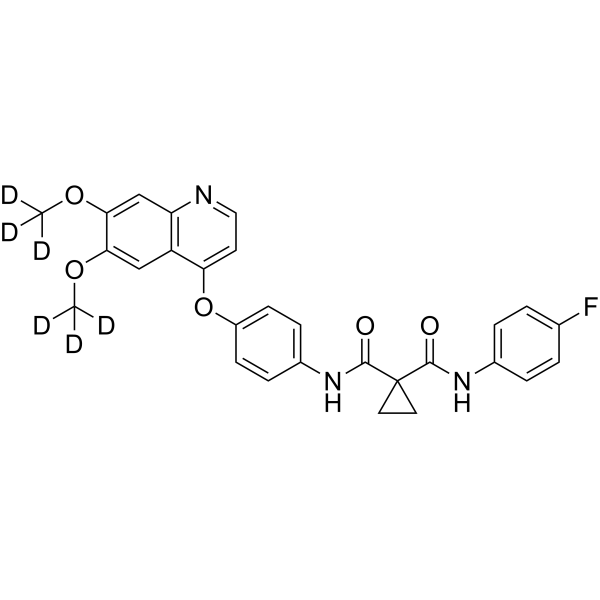 0 ImagesSynonyms: XL184-d6; BMS-907351-d6Cabozantinib-d6 is the deuterium labeled Cabozantinib. Cabozantinib is a potent multiple receptor tyrosine kinases (RTKs) inhibitor that inhibits VEGFR2, c-Met, Kit, Axl and Flt3 with IC50s of 0.035, 1.3, 4.6, 7 and 11.3 nM, respectively.
-
Cabozantinib-d4
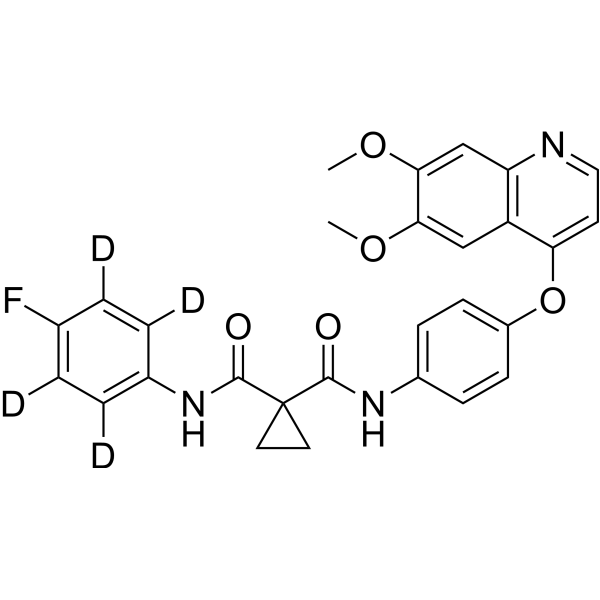 0 ImagesSynonyms: XL184-d4; BMS-907351-d4Cabozantinib-d4 is deuterium labeled Cabozantinib. Cabozantinib is a potent multiple receptor tyrosine kinases (RTKs) inhibitor that inhibits VEGFR2, c-Met, Kit, Axl and Flt3 with IC50s of 0.035, 1.3, 4.6, 7 and 11.3 nM, respectively.
-
Gilteritinib-d8
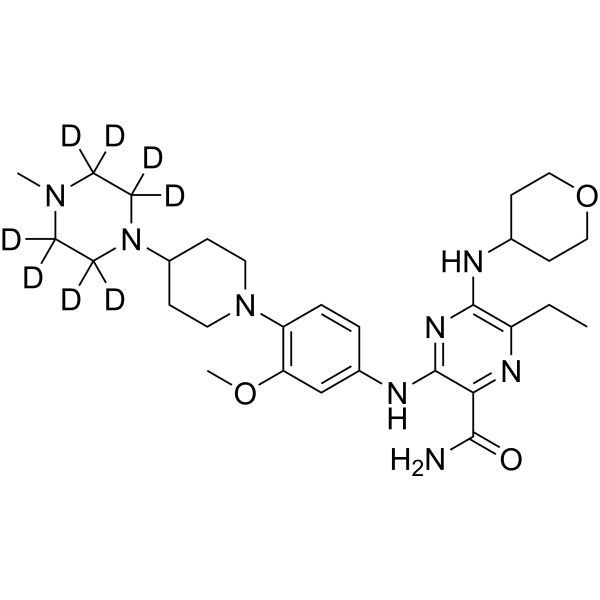 0 ImagesSynonyms: ASP2215-d8Gilteritinib-d8 is deuterium labeled Gilteritinib. Gilteritinib (ASP2215) is a potent and ATP-competitive FLT3/AXL inhibitor with IC50s of 0.29 nM/0.73 nM, respectively.
-
Glesatinib
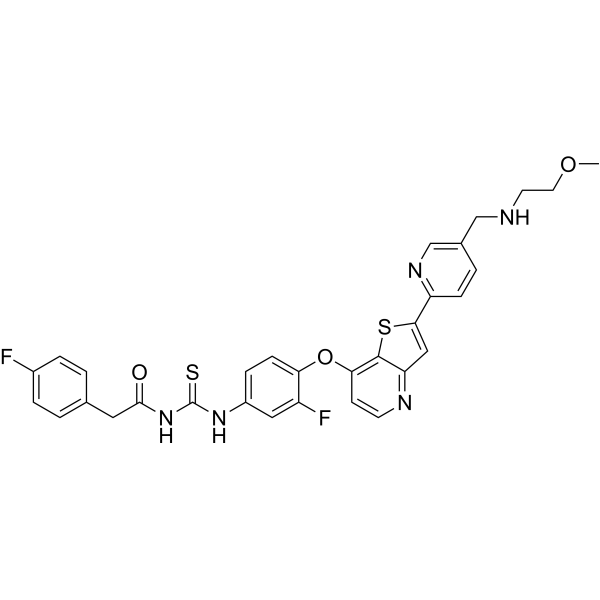 0 ImagesCat. No.: HY-19642CAS No.: 936694-12-1Synonyms: MGCD265Glesatinib (MGCD265) is an orally active, potent MET/SMO dual inhibitor. Glesatinib, a tyrosine kinase inhibitor, antagonizes P-glycoprotein (P-gp) mediated multidrug resistance (MDR) in non-small cell lung cancer (NSCLC).
-
Adrixetinib TFA
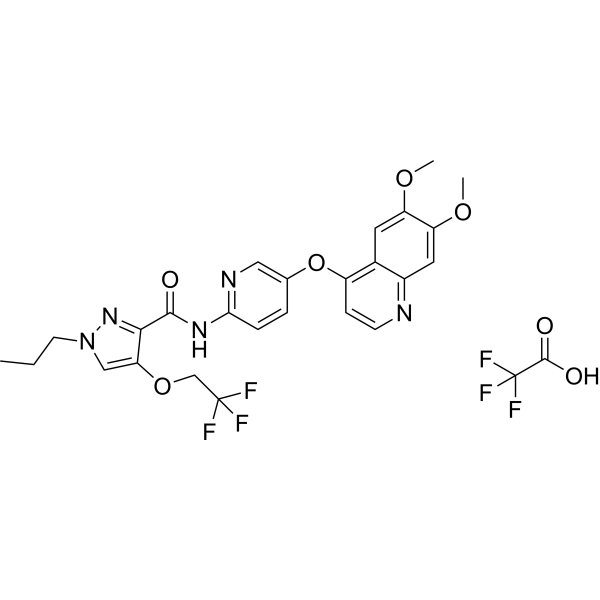 0 ImagesCat. No.: HY-152830APurity: 99.82%Synonyms: Q702 TFAAdrixetinib (Q702) TFA is an orally active triple inhibitor against CSF1R, Mer, and Axl, with Kd values of 8.7 nM, 0.8 nM, and 0.3 nM, respectively. Adrixetinib TFA acts as a potent immune modulator that remodels the tumor microenvironment. Adrixetinib TFA increases the abundance of M1 macrophages and CD8⁺ T cells, while decreasing the levels of M2 macrophages and myeloid-derived suppressor cells (MDSCs). Adrixetinib TFA upregulates the expression of MHC class I and E-cadherin in tumor cells. Adrixetinib TFA shows remarkable antitumor efficacy in syngeneic mouse tumor models. Adrixetinib TFA is suitable for the research of breast cancer, renal adenocarcinoma, colon carcinoma, and melanoma.
-
Mipasetamab
 0 ImagesMipasetamab is an IgG1κ antibody targeting to AXL, a tyrosine kinase receptor and an TAM Receptor. Mipasetamab involves in synthesis of ADCT-601 (Mipasetamab uzoptirine), an AXL-targeted antibody-drug conjugate (ADC). ADCT-601 has anti-tumor activity.
-
c-Fms-IN-3
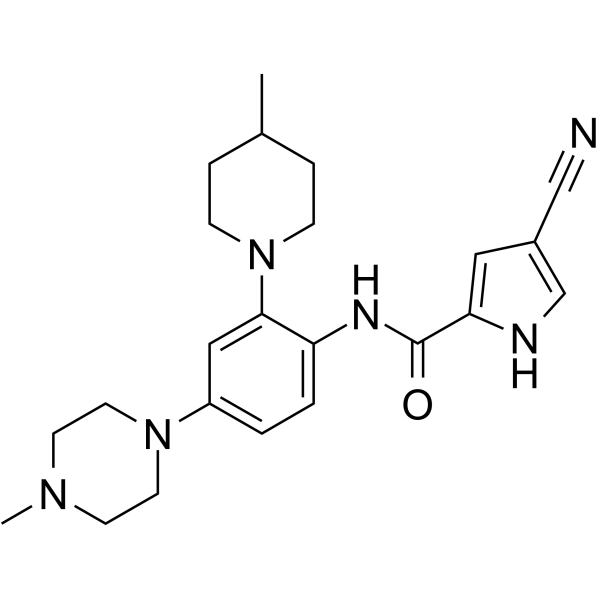 0 Imagesc-Fms-IN-3 is an orally active c-Fms (CSF1R) kinase inhibitor (IC50 = 0. 8 nM). c-Fms-IN-3 inhibits CSF1R kinase activity and reduces macrophage populations. c-Fms-IN-3 reduces bone erosion, pannus invasion, cartilage damage, and inflammation in collagen (HY-NP003)-induced arthritis mouse model. c-Fms-IN-3 is useful for arthritis research.
-
TL4830031
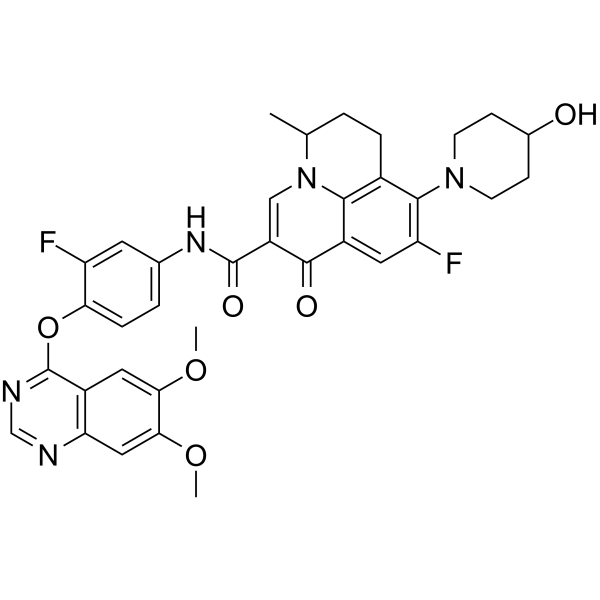 0 ImagesTL4830031 (compound 8i), a quinolone antibiotic derivatives, is a potent Axl inhibitor with an IC50 value of 26 nM. TL4830031 inhibits the phosphorylation of Axl. TL4830031 inhibits cell invasion and migration. TL4830031 can be used for cancer research.
-
AG01
 0 ImagesCat. No.: HY-P991664AG01 is a monoclonal antibody against progranulin (GP88). AG01 inhibits triple-negative breast cancer (TNBC) cell proliferation and migration, reduces the expression of phosphorylated protein kinases p-Src, p-AKT, and p-ERK, and reduces the expression of oncogenic proteins such as Axl, c-MET, HIF-1α, and VEGF. AG01 inhibits tumor growth and Ki67 expression in a TNBC xenograft mouse model. AG01 can be used in the research of TNBC and other cancers.
-
MerTK/Axl-IN-1
 0 ImagesMerTK/Axl-IN-1 (Compound A-910) is a potent and selective dual MerTK/Axl inhibitor, with IC50s of 4.2 and 8.8 nM in Ba/F3, and 0.2 and 0.9 nM in HTRF. MerTK/Axl-IN-1 results in pMerTK inhibition in vivo. MerTK/Axl-IN-1 has long half-life, high oral exposure and bioavailability.

-
Bemcentinib (Standard)
 0 ImagesCat. No.: HY-15150RCAS No.: 1037624-75-1Synonyms: R428 (Standard); BGB324 (Standard)Bemcentinib (Standard) is the analytical standard of Bemcentinib. This product is intended for research and analytical applications. Bemcentinib (R428) is a selective and orally active Axl inhibitor with an IC50 of 14 nM. Bemcentinib retards cancer cell migration and invasion. Bemcentinib exhibits >100-fold selectivity for Axl versus Abl and 50- and >100-fold selectivity over TAM family kinases Mer and Tyro3, respectively, in cells. Bemcentinib blocks tumor spread and prolongs survival in models of metastatic breast cancer.
-
Cabozantinib hydrochloride
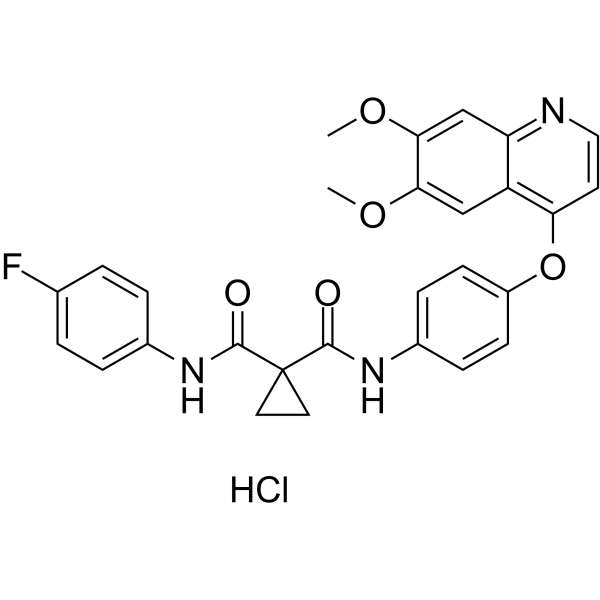 0 ImagesCat. No.: HY-13016ACAS No.: 1817759-42-4Synonyms: XL184 hydrochloride; BMS-907351 hydrochlorideCabozantinib hydrochloride is a potent and orally active inhibitor of VEGFR2 and MET, with IC50 values of 0.035 and 1.3 nM, respectively. Cabozantinib hydrochloride displays strong inhibition of KIT, RET, AXL, TIE2, and FLT3 (IC50=4.6, 5.2, 7, 14.3, and 11.3 nM, respectively). Cabozantinib hydrochloride shows antiangiogenic activity. Cabozantinib hydrochloride disrupts tumor vasculature and promotes tumor and endothelial cell apoptosis.
-
Axl-IN-6
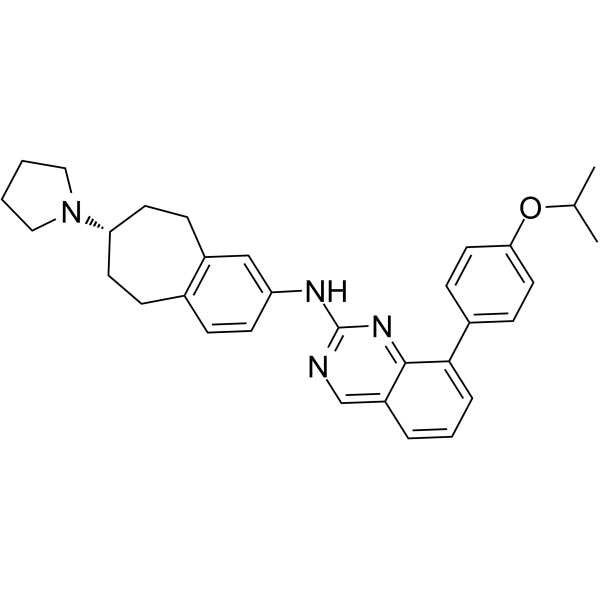 0 ImagesCat. No.: HY-146615CAS No.: 2642224-22-2Axl-IN-6 (compound 14) is an orally active and potent AXL inhibitor. Axl-IN-6 is well tolerated and significantly inhibits the tumor growth in MV-4-11 subcutaneous xenograft model.
-
Axl-IN-20
 0 ImagesCat. No.: HY-179105CAS No.: 2487649-59-0Axl-IN-20 (Compound w11) is a selective, orally active AXL inhibitor, with an IC50 of 5 nM. Axl-IN-20 has antitumor activity against hematological malignancies.
-
Axl/Mer/CSF1R-IN-2
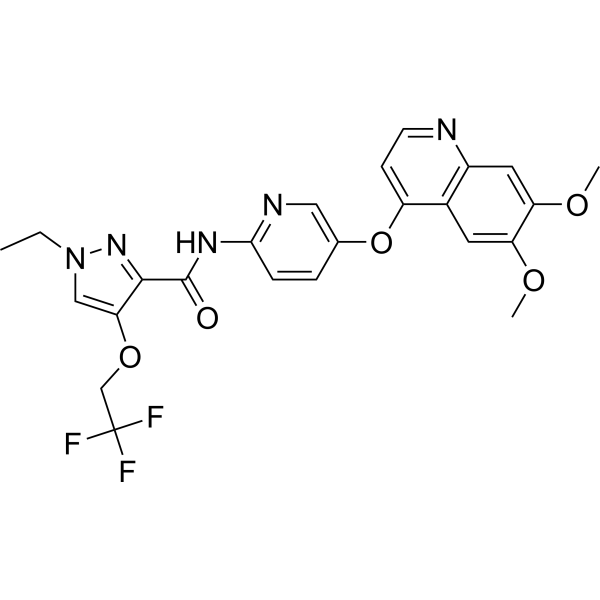 0 ImagesCat. No.: HY-153277CAS No.: 2394874-63-4
-
UNC8212
 0 ImagesCat. No.: HY-173400UNC8212 is a TAM kinase inhibitor. UNC8212 has potent inhibitory activity against MERTK and AXL (IC50: 1.5 nM and 1.3 nM, respectively), and also inhibits TYRO3 (IC50: 6.7 nM). UNC8212 mediates polypharmacological properties by targeting the structurally diverse "back pocket" region of the TAM kinase family. UNC8212 binds tightly to TAM kinases and potently inhibits MERTK and AXL phosphorylation. UNC8212 has anti-tumor effects and can be used in cancer immunotherapy and tumor cell targeting research.




